Written by Alex Ren
Updated on 8 min read
The best card scanner apps in 2026: what to test before you trust one, and how the main ones compare
Quick summaryThe best card scanner app is the one that names the exact printing of your card, not just its character, and then shows you a price you can check. Most fail the first test on holos, reverses and secret rares, and most hide the second behind a single number. This article is written by the people who make one of the apps below, Zukan, so read the comparison as an interested party's and test everything yourself. The test takes ten cards.
In this article
Scanner apps are sold on speed and on the size of their catalogue, and neither is where they fail. They fail on the printing, on the price and on what they do with your data. The six checks below take a few minutes each with the app's free tier and separate the tools from the toys.
The six things to test before trusting a scanner app#
1. Does it name the printing, or the character?
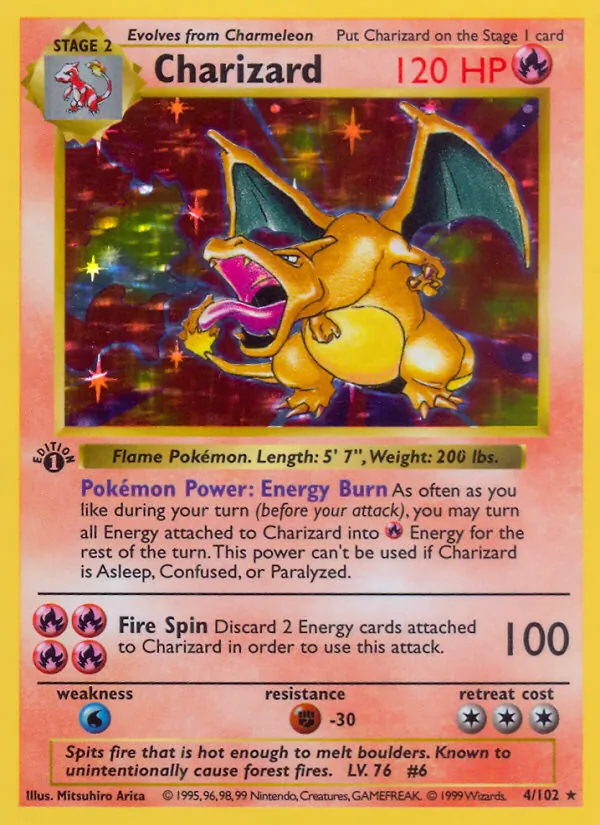
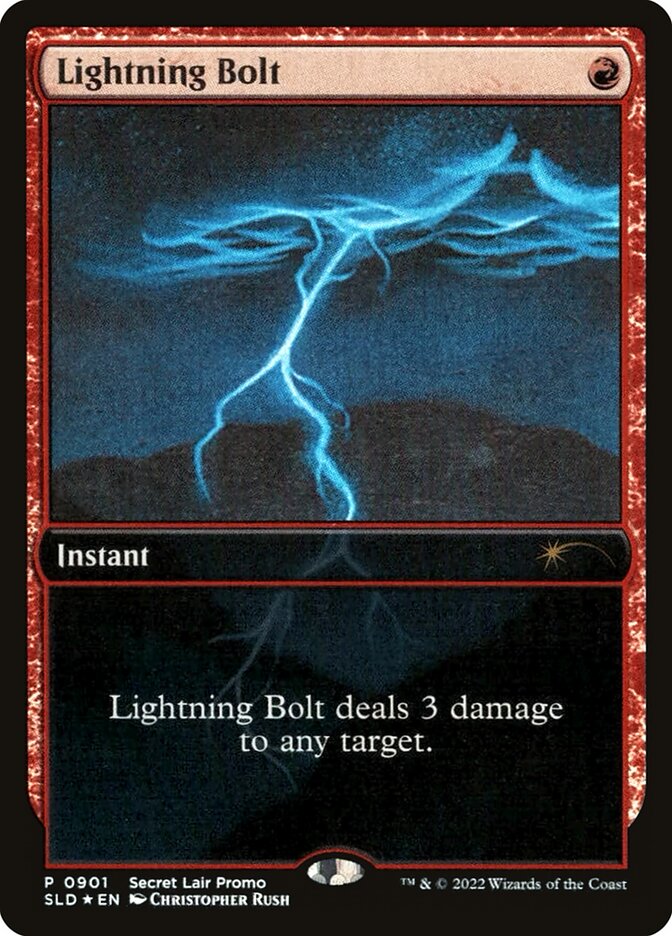
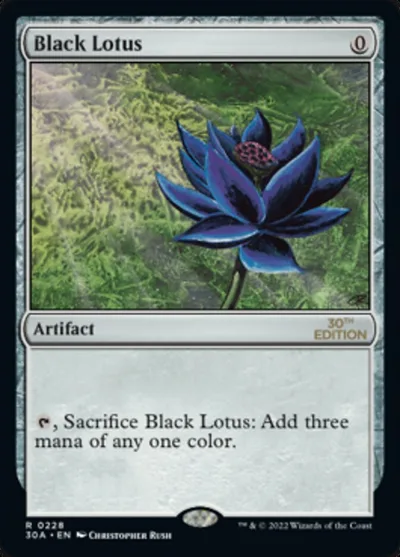
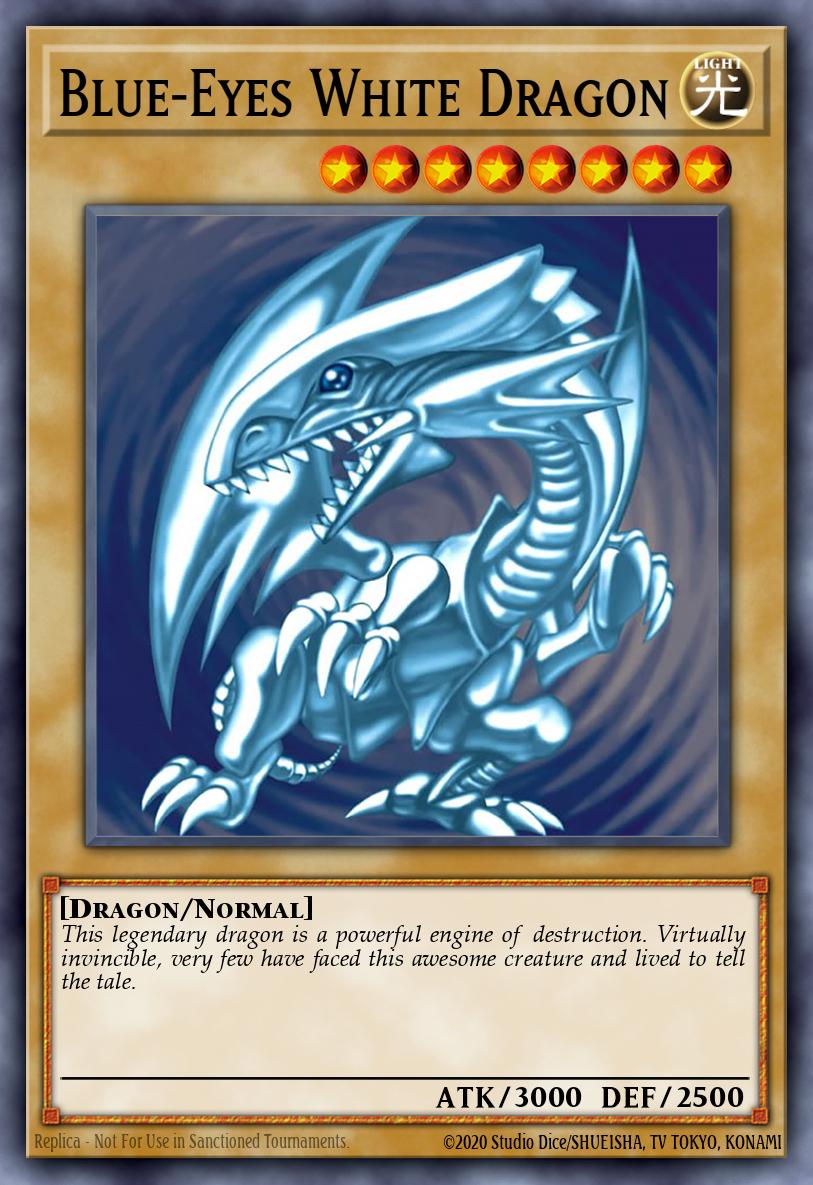
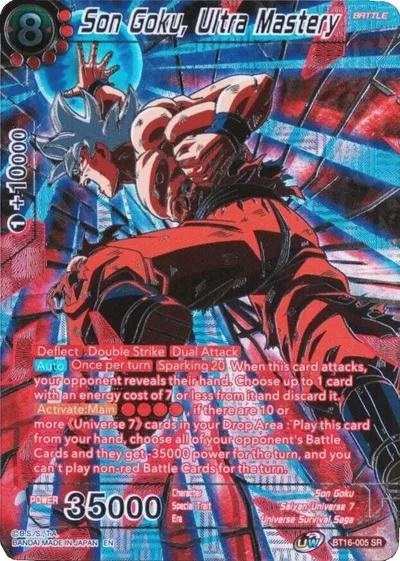
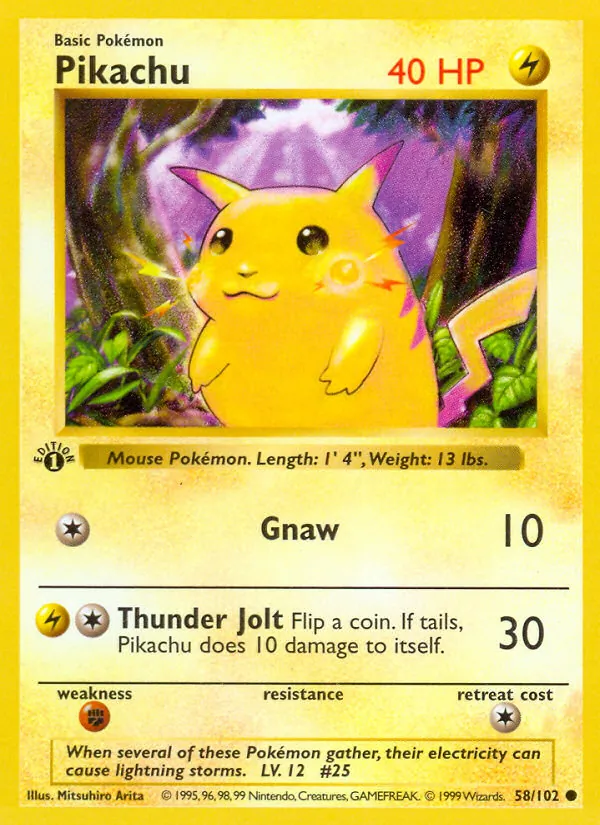
Scan a reverse holo, a regular holo and a plain print of the same card. A good scanner separates them, or shows you the candidates and lets you pick. A bad one says "Pikachu" and prices the most expensive version. Then scan a secret rare and a promo: the number and the mark are what it should read, and if it is guessing from the picture it will get one of them wrong.
2. Does the price say where it came from and when?
One number with no source and no date is an opinion. Look for the venue (Cardmarket, TCGplayer, eBay, PriceCharting), the currency, the condition assumed, and the date the figure was read. Then check whether the app says "no data" when it has none, or invents a figure; scan an obscure card in a European language and see.
3. What happens when you scan a card you already own?
The app should tell you, before it adds a second copy. Duplicates silently stacked are how a collection's total ends up twenty percent too high.
4. Can you get your data out?
A CSV export of everything you own, in the free tier, is the minimum. A collection you cannot export is a collection the app owns. Check also whether the export includes the printing details and what you paid, or only names.
5. Does it demand an account, ads or tracking?
Some apps put the entire product behind a sign-up; some carry an advertising SDK; most carry analytics. None of that is needed to read a card. Read the privacy label on the store page before installing, and prefer an app that processes the photo on the phone rather than uploading it.
6. What does the subscription actually gate, and is there a weekly plan?
The free tier should be usable forever, not a trial. Look at what the paid tier adds and at the price grid: a weekly plan pre-selected behind a "try for free" button is the pattern behind most one-star reviews in this category, and it tells you how the app plans to treat you.
How the main apps compare#
What follows is what each app's own site or store page said on 7 September 2026, plus what we found running the checks above. Prices and features change; check the current page before deciding, and treat our own entry with the suspicion it deserves.
| App | Games | Price sources shown | Account required | Free tier | Paid tier |
|---|---|---|---|---|---|
| Zukan (ours) | Twenty, nineteen with live catalogues | Cardmarket, TCGplayer, CardTrader, PriceCharting, each named and dated | An email and a link, no password | Twenty-five scans, then any card by search; collection, every price, set completion, CSV export, forever | €39.99 a year or €5.99 a month; no weekly plan |
| Collectr | Multiple, cards and sealed product | Raw and graded price history charts | Yes | Yes, with limits | PRO, $4.99 a month billed annually |
| Dex | Pokémon only | TCGplayer, Cardmarket, PriceCharting, eBay | Yes, for everything | Yes, with limits | Dex+, $3.99 a month |
| Cardonaut | Twenty-two, web-first, French origin | Marketplace figures, nine languages | For collections | Yes | Paid tiers |
| TCGplayer app | Magic, Pokémon, Yu-Gi-Oh! and more | TCGplayer market price | For selling and collection | Yes | None; it is a marketplace |
| Delver Lens | Magic: The Gathering only | TCGplayer, Cardmarket | No | Yes | One-time and subscription options |
Zukan
Ours, so the short version: it reads the collector number and the set mark on the phone, shows the candidates when two printings are close, prices from several venues with each one named and dated, says "No recent sales" when it has none, flags duplicates before adding them, exports CSV from the free tier, has no ads and no analytics SDK. Its limits, stated on the home page in the same size type: sold-listing comps from eBay are not connected yet, price alerts are not in the first version, and one of the twenty games is modelled but waiting on a catalogue. The scanner is hardest on direct holo glare and cards behind reflective toploaders at an angle.
Collectr
The most complete tracker for a collector who also buys sealed product: every finish is a separate product tile, the product page carries raw and graded price history charts (PSA, BGS, CGC), and the explore view searches cards and sealed boxes together with a long filter rail. It needs an account for everything, and the shop rail on each product page is affiliate-driven. If you want graded charts and sealed tracking in one place, it is the one to test first.
Dex
Pokémon only, built by a single developer, with the strongest collector loop of the group: a Pokédex of every species as the way in, complete and master set tracking, variant chips, and prices from four sources. The whole product sits behind a login, including browsing, which is the one thing to know before installing. If you collect only Pokémon and like the species-first view, it is worth the account.
Cardonaut
A French web catalogue with an app, covering twenty-two games and a very large card count, in nine interface languages. Its strength is breadth: sets, decks, sealed products and characters for each game. Its style is loud (animated tiles, spinning foil borders), which some collectors love and some do not. For a non-English collection across many games it is a serious option.
TCGplayer app
The marketplace's own app carries a scanner for its main games and prices from its own market. It is the natural choice if you sell on TCGplayer, and a one-source view if you do not: the figure is the TCGplayer Market Price in dollars, which is a US market's figure, whatever your collection is.
Delver Lens
The long-standing scanner for Magic: The Gathering, fast, accurate on Magic's enormous catalogue of printings, with export to the deck-building sites Magic players use. If your collection is Magic only, it is the reference; it does nothing for any other game.
Which one, for which collector#
- Several games, European languages, wants to see where a price comes from: Zukan or Cardonaut; test both on the six checks.
- Pokémon only, likes the species-first view: Dex.
- Cards and sealed product, wants graded price charts: Collectr.
- Magic only: Delver Lens.
- Sells on TCGplayer: the TCGplayer app, alongside one of the others for a second opinion on prices.
Join 5,000+ collectors




collection is worth.
Run the six checks on Zukan with the free tier: twenty-five scans, an unlimited collection by search, no ads, and every price with its source and date.
- On-device reading of the number and the set mark; the photo never leaves the phone.
- The candidates on screen when two printings are close; duplicates flagged before they are added.
- CSV export of everything you own, in the free tier, forever.
Free to download · iPhone · Android
Frequently asked questions
What is the best app to scan Pokémon cards?
The one that names the exact printing (set, number, finish) rather than the character, and shows where its price comes from. Test it on three finishes of one card, a secret rare and a promo. Zukan, Dex and Collectr all scan Pokémon; Dex is Pokémon only and needs an account, Collectr adds sealed product and graded charts, Zukan covers twenty games with one free account.
Are card scanner apps accurate?
On the character, almost always. On the printing, it varies: holo against reverse holo, secret rares and promos are where apps guess. An app that reads the collector number and the set mark, and shows candidates when it hesitates, is accurate on the printing; one that matches the picture alone is not.
Is there a free card scanner app?
Most have a free tier. Check whether it is a real tier or a trial: a scan allowance, the full collection and an export in the free tier is a real one. Zukan's free tier is twenty-five scans per account with unlimited adding by search, the collection, every price, set completion and CSV export included, permanently.
Do scanner apps upload my card photos?
Some do, to identify the card on a server; some read it on the phone. The store's privacy label says which, and an app that processes on the device does not need your photos at all. Zukan reads on the device and does not upload the picture.