Cet article n'est pas encore traduit : il est affiché en anglais.

Écrit par Alex Ren
Mis à jour le 8 min de lecture
How to organise a card collection: a system that survives the day it reaches a thousand cards
En brefA collection is organised when you can find any card in it in ten seconds and know what it is worth without touching it. That takes three decisions, made once: what protection each card gets, which cards live in binders and which in boxes, and one sort order you never change. Everything else, including the catalogue that tells you what you own, follows from those three.

Dans cet article
- Decision one: how much protection each card gets
- Decision two: binders for what you look at, boxes for what you store
- Decision three: one sort order, kept forever
- The catalogue: knowing what you own without opening a box
- The setup afternoon, in order
- Keeping it organised: the one-minute rule
- Questions fréquentes
Most collections are organised three times: once as a child, by favourite; once as an adult, by set; and once in despair, after a move, by whatever box they landed in. The system below is the one that does not need redoing when the collection triples. It costs an afternoon to set up and about a minute per new card to keep.
Decision one: how much protection each card gets#
Protection is tiered by value, because sleeving four thousand commons in toploaders is both expensive and pointless. Three tiers cover almost everyone.
- Bulk (commons, uncommons, playset extras): loose in a storage box, sorted, no sleeve. They are worth cents and they are replaceable; the box is the protection.
- Everything you would be sad to lose (rares, holos, anything above a few euros): a soft "penny" sleeve, then a binder page. The sleeve stops the page from scuffing the surface and the page stops the card from bending.
- The cards that carry the value of the collection: a penny sleeve inside a rigid toploader or a semi-rigid holder, standing in a box built for them, or a sleeve inside a side-loading binder that never goes on its side. These are the cards you will one day sell or grade, and one soft corner costs more than every sleeve in the house.
Two rules cut across the tiers. Never use rubber bands: they leave a permanent bend and take a grade off every card in the stack. And keep the whole collection out of sunlight and away from damp; a shelf in a bedroom is better than a box in a garage, and a sealed plastic tub with a silica gel sachet is better than either if the climate is humid.
Decision two: binders for what you look at, boxes for what you store#
The binder-versus-box argument is settled by asking what the card is for. A binder is a display: it is for the cards you want to leaf through, the set you are completing, the page of a single character you collect. A box is a store: it is for the bulk, the playsets, the duplicates. Most collectors end up with a few binders and several boxes, and the mistake is trying to make either do the other's job.
If you use binders, use side-loading pages (the card slides in from the side, not the top, so it cannot fall out when the binder is held upright) and a binder with a zip or a band rather than rings, because rings dent the cards nearest the spine every time the binder closes. Fill pages left to right, top to bottom, and leave a gap for each card you are missing so the page shows you the holes.
Decision three: one sort order, kept forever#
There is exactly one sort order that never needs redoing, and it is the one printed on the card: game, then set in release order, then collector number. Every card has those three facts on it, every catalogue uses them, and a new card has one place to go. Sorting by character, by type, by rarity or by value feels natural and breaks the first time a card qualifies for two places or the value changes.
Within a set, keep variants next to their base card: the reverse holo sits behind the regular print of the same number. Duplicates go in the box, not the binder, unless you are keeping a playset on purpose. Cards in another language get their own binder or box, sorted the same way; mixing languages in one run makes the numbering meaningless.
The catalogue: knowing what you own without opening a box#
The physical order answers "where is it". The catalogue answers "do I have it, how many, and what is it worth", and it is what turns a pile into a collection. It can be a spreadsheet or an app; the requirements are the same. Every entry needs the exact printing (set, number, finish, language), the quantity, the condition if it is not Near Mint, and, if you care about the money, what you paid. Value should come from a source that updates itself, because a value you typed in is a value that is wrong by next month.
The catalogue earns its keep in three moments: at a shop or a flea market, when "do I already own this?" decides whether you buy; when completing a set, where a list of what is missing is worth more than a list of what you have; and when selling or insuring, where a dated, sourced total is the difference between a number and a guess.
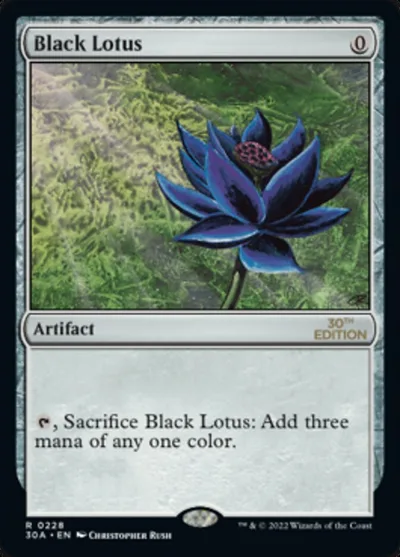
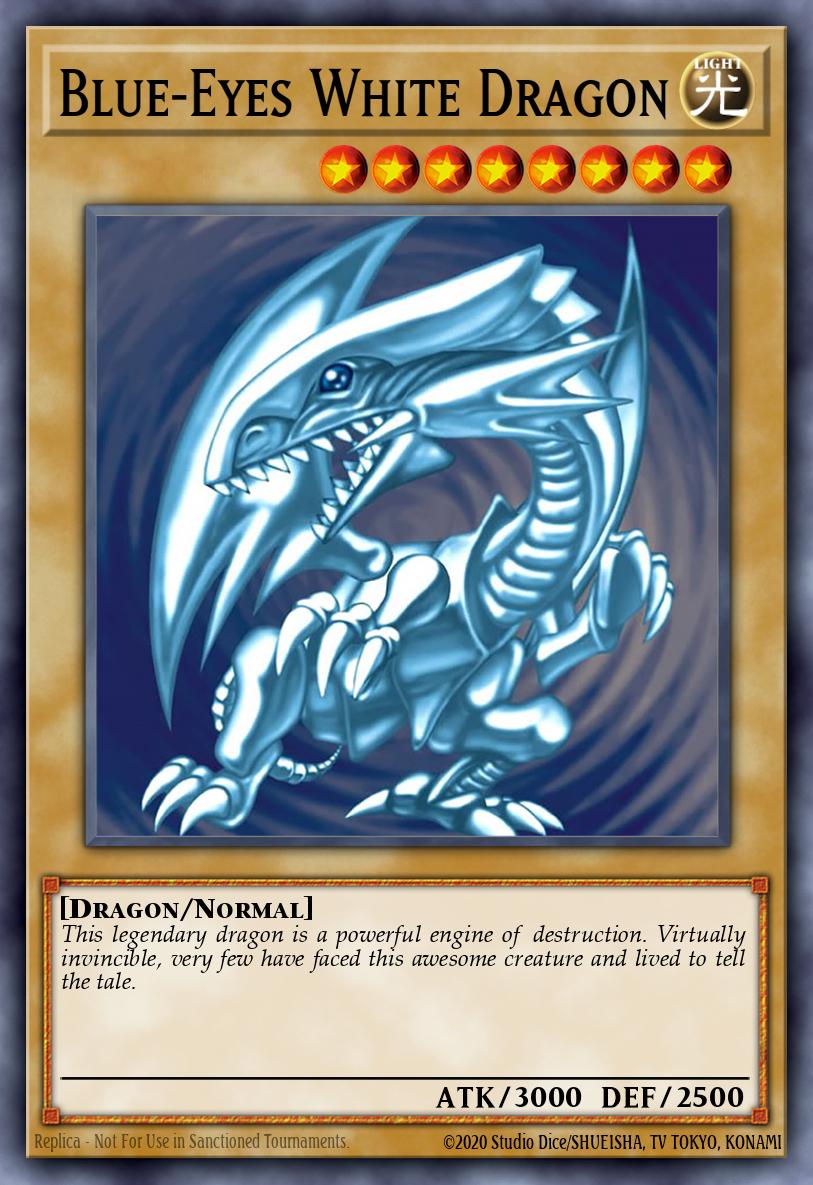
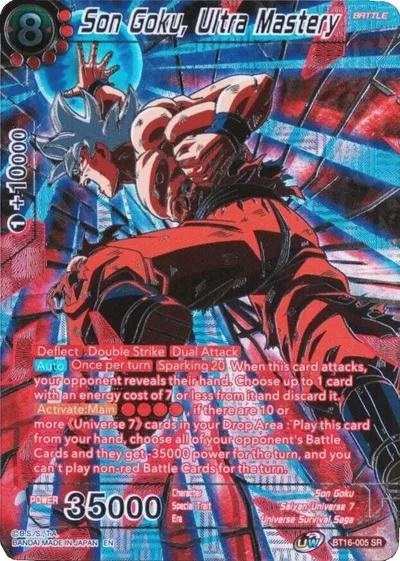
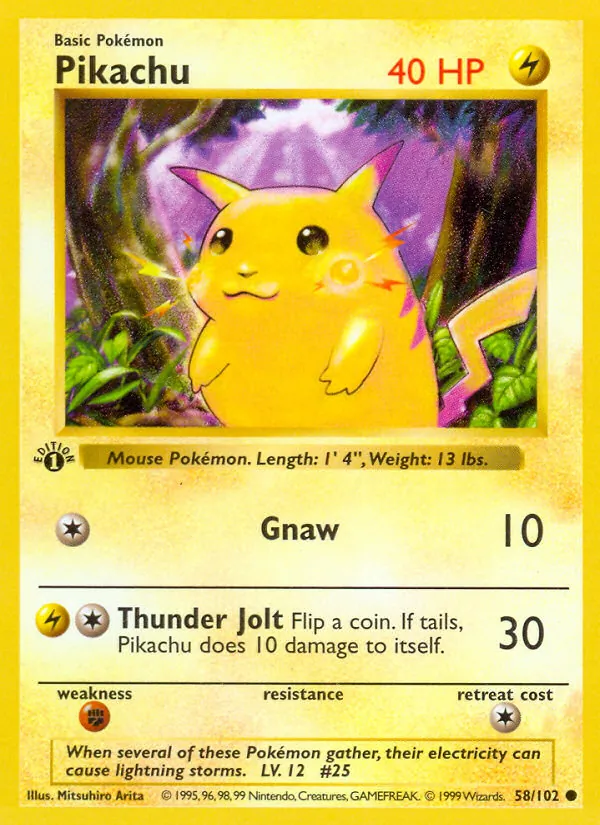
Rejoins plus de 5 000 collectionneurs




ta collection.
Scan the binder once and the catalogue keeps itself: every card named, counted and priced, with the set completion drawn.
- Binder mode captures a card every couple of seconds as you slide them under the phone, then shows one review list before anything is added.
- Set completion with your own rules for holos and reverses, so the binder's holes and the app's agree.
- Search your own cards by name, set, finish or amount, and export the lot as a CSV from the free tier.
Téléchargement gratuit · iPhone · Android
- 59,40 €
- 18,50 €
- 4,20 €
- Déjà ×212,90 €
- 101,10 €
The setup afternoon, in order#
- Sort into games first, on the floor if you have to. Everything else happens inside a game.
- Pull the valuable cards as you go: anything holographic, anything old, anything you recognise. Put them in penny sleeves immediately, before they are handled again.
- Sort each game by set, using the set symbol, then by number within the set. This is the long part; do it with the catalogue open so each card is recorded as it is sorted, not afterwards.
- Decide binder or box for each set, and load them. Leave gaps for missing cards in the binders.
- Write the catalogue total down with the date. From now on, only new cards need work.
Keeping it organised: the one-minute rule#
A system fails when new cards pile up unsorted. The fix is to make the per-card cost tiny: a new card gets scanned or typed into the catalogue and put in its one place within a minute of arriving, and a new set gets its binder pages the day it is opened. A pile of "to sort" larger than one box is the sign the system is about to be redone for the fourth time; empty it before it grows.
Questions fréquentes
What is the best way to store Pokémon cards long term?
Sleeved, in binders with side-loading pages for the cards you display and in storage boxes for the rest, kept upright, away from sunlight and damp, at room temperature. The valuable cards go in a penny sleeve inside a toploader or semi-rigid holder. Never rubber bands, never loose in a tin.
Should I sort my cards by set or by Pokémon?
By set and collector number. It is the order printed on the card and used by every catalogue, so a new card has exactly one place to go and a missing card is a visible gap. Sorting by Pokémon or by type feels natural and needs redoing every time a card fits two categories.
Do I need to sleeve every card?
No. Commons and uncommons worth cents can live loose in a sorted box. Sleeve anything you would be sad to lose, and double up (sleeve plus toploader) for the cards that carry most of the collection's value.
How do I keep track of which cards I have?
With a catalogue that records the exact printing, the quantity and the condition of every card, and that values them from a source that updates itself. An app with a scanner does this in about a second per card; a spreadsheet does it too, at the cost of typing and of prices that go stale.